On Wednesday, July 2, 2020, the Colorado Supreme Court issued a per curiam opinion holding that Colorado’s Governor cannot suspend, by executive order, the state’s constitutional requirements for ballot measure signatures. The Governor had sought, among other things, to permit campaigns for ballot measures that have titles set or pending before the Colorado Supreme Court
Supreme Court Rules That Takings Claims Can Be Brought In Federal Court, Reversing 30-Year-Old Precedent
On Friday, the U.S. Supreme Court issued its opinion in Knick v. Township of Scott, in which the Court ruled that a plaintiff in a takings claim need not first exhaust state-court remedies before bringing the claim before a federal court. The decision, addressing a largely procedural matter, is expected to lead to an increase in federal court litigation involving takings issues, and likely increases the chances that local governments may be required to compensate landowners where regulation devalues private property.
Continue Reading Supreme Court Rules That Takings Claims Can Be Brought In Federal Court, Reversing 30-Year-Old Precedent
Colorado Court of Appeals: Court Should Defer to City Council’s Code Interpretations, But No Bond for Rule 106 Defendants

In May, the Colorado Court of Appeals upheld the City of Thornton’s approval of a specific use permit for a self-storage facility against a challenge brought by a competitor self-storage facility. While the court’s decision in Stor-N-Lock Partners #15, L.L.C. v. City of Thornton was a victory for the defendants, including the city and the developer, the court ruled that defendants in Rule 106(a)(4) actions may not recover delay-induced damages through the imposition of a bond. Otten Johnson attorneys Brian Connolly and Bill Kyriagis represented the defendant landowner and developer, CenturyLink and Resolute Investments, Inc., respectively, throughout the proceedings.
In the case, Resolute obtained the city’s approval of a specific use permit for its project. A neighboring self-storage facility challenged the approval under Colorado Rules of Civil Procedure Rule 106(a)(4), which allows for judicial review of quasi-judicial decisions by local government bodies. The plaintiff alleged that the approval of the specific use permit did not improve the welfare of its property, which was one of the Thornton code’s criteria for the issuance of a specific use permit. The district court affirmed the city’s decision but denied the defendant’s motion to require the plaintiff to post security in an amount that would cover the defendant’s losses incurred as a result of litigation-related delays.
Continue Reading Colorado Court of Appeals: Court Should Defer to City Council’s Code Interpretations, But No Bond for Rule 106 Defendants
Court Requires Notice of Decision to Declare Property “Blighted” under State Law
In the latest installment of an ongoing eminent domain controversy between the City of Glendale and the owner of Authentic Persian and Oriental Rugs, the Tenth Circuit Court of Appeals ruled in favor of the landowner, holding that Glendale should have provided notice of its “blight” determination affecting the landowner’s property, even though such notice is not required under applicable state law. The feud made headlines a few years ago when the landowner, who owns six acres that have been carved out of the area contemplated for “Glendale 180” Riverwalk, accused the City of repeatedly denying redevelopment applications for its property, then creating its Downtown Development Authority to condemn the property after negotiations to purchase the property fell through.
Continue Reading Court Requires Notice of Decision to Declare Property “Blighted” under State Law
U.S. Supreme Court To Review New Takings Case—Will It Become Easier To File Takings Claims In Federal Courts?
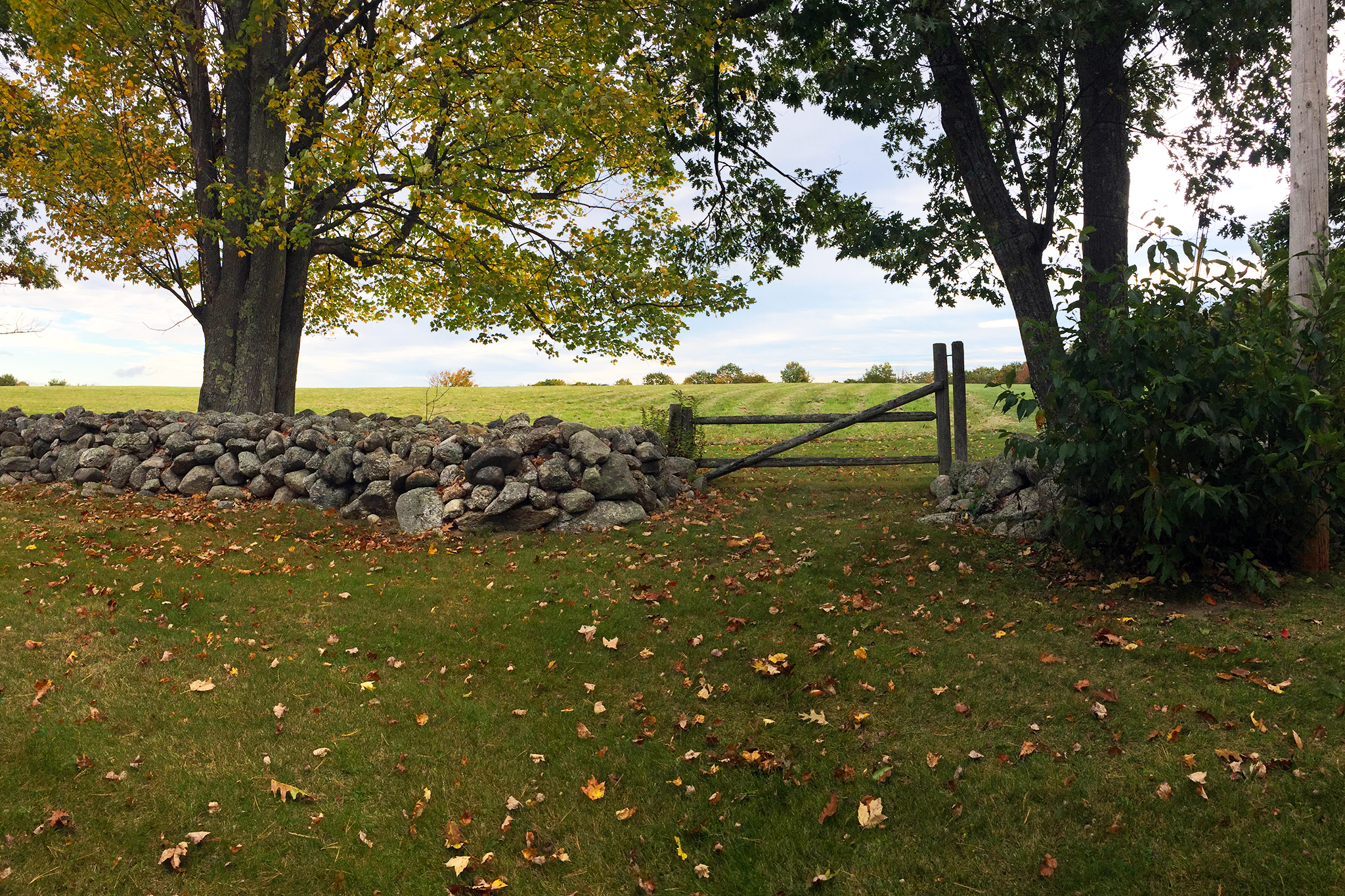
Last week, the U.S. Supreme Court granted a petition for certiorari in the case of Knick v. Township of Scott. In Knick, the Court is being asked to re-examine its 30-year-old doctrine requiring takings claimants to exhaust state court remedies before filing a claim for just compensation stemming from a regulatory taking in federal court. The decision to grant the petition indicates that at least four justices agree that it’s time to consider eliminating procedural hurdles created by the Court’s 1985 decision in Williamson County Regional Planning Commission v. Hamilton Bank.
Continue Reading U.S. Supreme Court To Review New Takings Case—Will It Become Easier To File Takings Claims In Federal Courts?