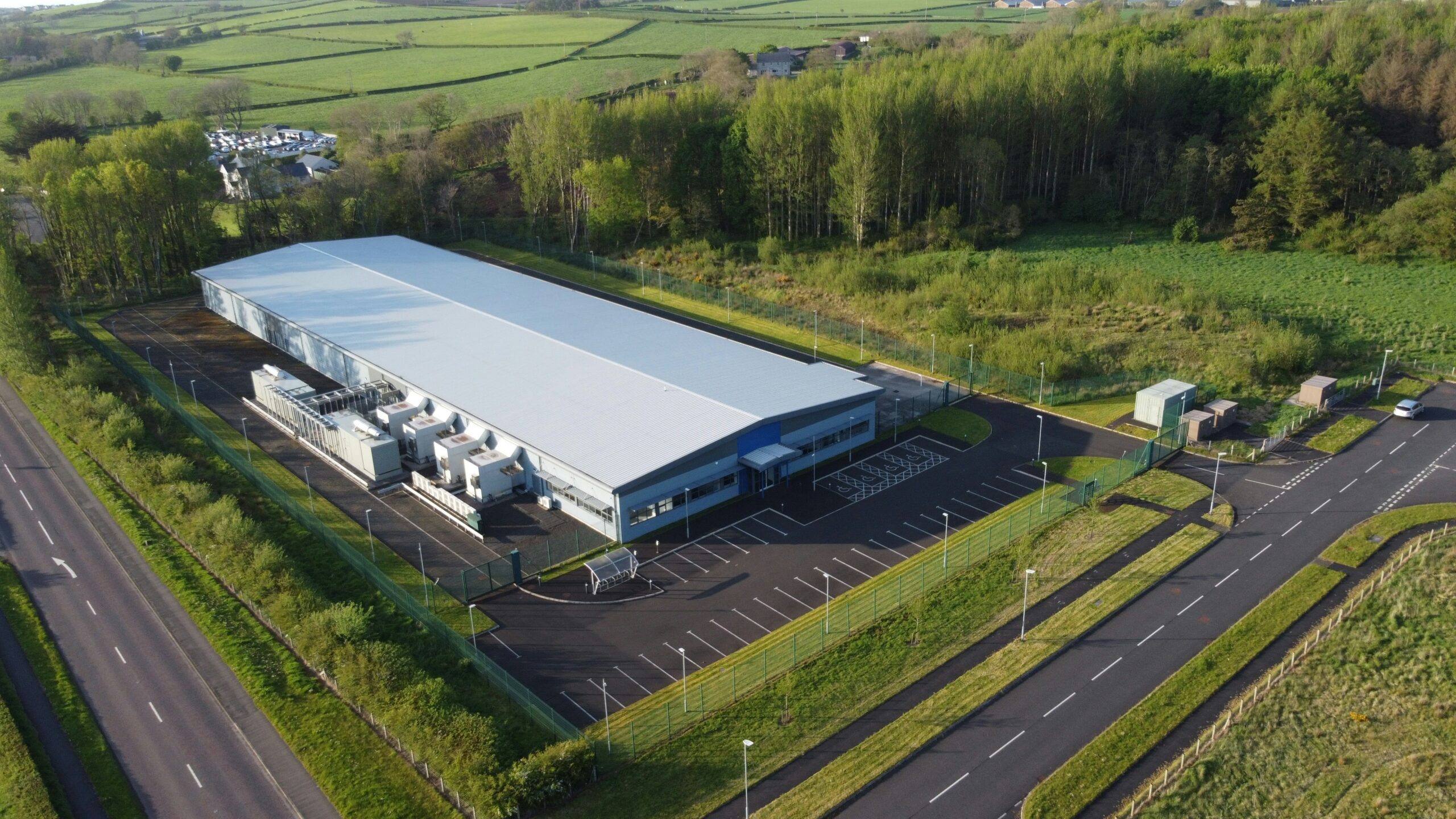
As demand for AI and cloud-computing infrastructure continues to accelerate, data center development has become an increasingly important issue for commercial real estate developers, utility companies, municipalities, and land use practitioners across the country. During the 2026 legislative session, Colorado lawmakers considered two competing bills that would have impacted the landscape for large-scale data center development in the state.
HB26-1030 (Data Center & Utility Modernization) proposed an incentive program designed to attract data center development in Colorado through substantial tax incentives and utility modernization measures. Among other things, the bill would have created a 100% state sales and use tax exemption for qualifying data center projects that satisfied certain investment, wage, utility coordination, and sustainability requirements. In contrast, SB26-102 (Large-Load Data Centers) focused primarily on increased oversight and environmental accountability for large-load data centers, including measures relating to energy usage, renewable power sourcing, and infrastructure impacts. Ultimately, neither bill advanced. HB26-1030 was postponed indefinitely by the House Committee on Energy & Environment on May 7, 2026, and SB26-102 was postponed indefinitely by the Senate Committee on Transportation & Energy on May 11, 2026, leaving Colorado without a statewide incentive structure for data center development or industry-specific environmental regulations governing such facilities.
At the local level, the debate has intensified even further. On May 20, 2026, Denver City Council unanimously passed a one-year moratorium on new data center construction in the city, and several other Colorado jurisdictions, including Larimer County, have enacted or are considering similar moratoria on new data center applications.
The debate surrounding these bills reflects a broader national trend as states and local governments attempt to balance the economic benefits of attracting AI and cloud-computing infrastructure with increasing scrutiny over sustainability, utility costs, water consumption, and long-term infrastructure planning. Data centers have become an increasingly attractive asset class due to growing demand for AI computing, cloud services, and digital infrastructure. However, these projects present unique land use, utility, and environmental considerations that distinguish them from more traditional industrial developments. Notably, the fiscal note for HB26-1030 states that at least 37 states currently offer some form of tax incentives for data center development. Colorado lawmakers are expected to revisit these issues during the next legislative session. Until then, future projects will likely continue to face a patchwork of local land use regulations, utility coordination requirements, environmental review standards, and entitlement processes that may vary significantly by jurisdiction.